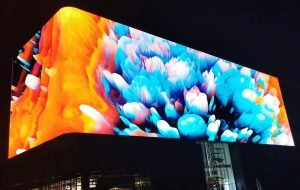
Direct view LED is a display type where each pixel is a small LED light, so the LEDs create the image directly instead of a screen lit from behind. In the industry it is often shortened to dvLED. It is now common in control rooms, meeting rooms, retail stores and studios. This blog explains how it works, where it is used and what to check before you buy.
What Is A Direct View LED TV?
A direct view LED TV is a large display built from LED cabinets joined together. Each cabinet holds many small LED modules. Because there is no LCD panel, the screen can reach high brightness and good contrast, and it can be built in many sizes and shapes. Some people call it a LED wall TV, since it is usually mounted on a wall like a TV but at a much larger size.
How It Differs From LCD Display And Projectors
- Almost no gaps: LCD video walls have visible borders between panels. A dvLED screen has very thin seams, so the image looks continuous.
- Better in bright rooms: Projectors can look washed out when the room is lit. LED screens stay clear.
- Flexible size: Cabinets can be added or removed to fit the wall.
- Easy service: Many cabinets can be repaired from the front, so there is no need to remove the whole screen.
Where It Is Used
- Control and command rooms: Staff can watch several data and video sources on one large screen.
- Corporate lobbies and meeting rooms: A Direct view LED video wall gives a clean, bright display for presentations and brand content.
- Retail stores and showrooms: Used for product videos and promotions.
- Broadcast and event studios: Works as a backdrop for live shows and recordings.
- Hotels and auditoriums: Suits large halls where many people need to see the screen.
What To Check Before Buying
Pixel pitch: This is the distance between pixels, measured in millimetres. For indoor use, fine pitches such as P0.9 to P2.5 are common. A rough rule is that the minimum viewing distance in metres is about the same as the pixel pitch in millimetres.
Brightness and refresh rate: Indoor screens do not need extreme brightness, but a high refresh rate helps with cameras and live video.
Cabinet size and ratio: Make sure the cabinets can form the screen shape you want, such as 16:9.
Service access: Check if repairs can be done from the front.
Control system and warranty: Ask what controllers are supplied and how long the warranty lasts.
When you compare options, choose a direct view LED based on how close your viewers will be, not just on price.
Why Cinstar Display
Cinstar Display supplies LED displays in different sizes and pixel pitches for indoor and outdoor use. The team can suggest a setup based on your room size, viewing distance and budget.
Conclusion
The right screen depends on viewing distance, room size and how you plan to use it. Check pixel pitch, service access and warranty first, then compare options. For sizes and specifications, contact Cinstar Display.