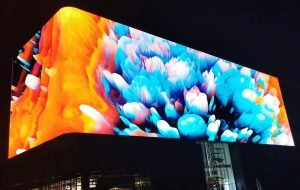
Outdoor LED screens allow business organizations to connect with individuals who are passing by on foot, by car or at any other public place. It can be used for displaying advertisements, deals, information about events or live videos with colorful displays even in broad daylight conditions. For better purchasing of it, it becomes important to understand different aspects of outdoor LED screens.
Common Types Applied
Fixed screens: These are mounted permanently on walls, poles or rooftops. An outdoor LED display board is the usual choice for shop fronts, roadside ads and building signs.
Rental screens: These use lightweight cabinets that are quick to set up and take down. An outdoor LED video wall in this format is common at concerts, sports events and exhibitions.
Curved screens: The modules can wrap around columns or building corners, which suits malls, hotels and landmarks.
What Makes a Screen Suitable for Outdoor Use
- High brightness: The image has to stay clear in direct sunlight. Outdoor models are much brighter than indoor ones.
- Weather protection: If you need protection from rain and dust, choose sealed cabinets with an IP65 rating or better.
- Good cooling is good for the screen in hot weather and helps it to last longer at control.
- wrong structure: The frame should be strong enough to support the weight of the cabinets and wind.
How to Choose The Right Screen
When comparing an outdoor LED display screen, start with the viewing distance. Pixel pitch is the gap between pixels in millimetres. As a rough guide, the minimum viewing distance in metres is about the same as the pixel pitch. A P5 screen, for example, suits viewers standing at least 5 metres away.
Next, think about the size and shape that fits your space, the type of content (video or static images) and your budget. A larger pixel pitch usually costs less, so there is no need to pay for fine detail if people will view the screen from far away.
Installation And Maintenance
Check that the wall or structure can carry the weight of the screen. Plan the power supply and the control system in advance, and find out whether your local council has rules for outdoor signs and brightness. A wall-mounted outdoor LED display board should have front access, so modules can be replaced without a rear walkway.
After installation, clean the surface regularly and check cables, modules and the power supply. Regular care keeps an outdoor LED screen bright and reduces the chance of faults.
About Cinstar Display
Cinstar Display supplies LED displays for outdoor use in different sizes, pixel pitches and installation types. The team can help you choose a setup based on your location, budget and how far your audience will be from the screen.
FAQs
Can an outdoor LED screen be seen in direct sunlight?
Yes. Outdoor models are built with high brightness for this reason. Check the nit rating before you order.
How big can an outdoor LED video wall be?
Screens are built from modules, so they can be made almost any size. The limit is usually the structure, the power supply and the budget.
Does an outdoor LED display screen work in the rain?
Yes, if it has a proper waterproof rating. Make sure the cabinet, cables and power box are all protected.
How often should it be serviced?
A basic check every few months is usually enough. Clean the surface and inspect modules, cables and the power supply.
Conclusion
Choosing the right screen comes down to viewing distance, brightness, weather protection and the space where it will be installed. Look at these points first, then compare options. For sizes and specifications, contact Cinstar Display.